

By Kate DeLuca
Moving into a new home is stressful enough when you’re trying to track boxes, direct movers, and figure out where the coffee maker ended up. But for pets, moving day can be even more overwhelming.
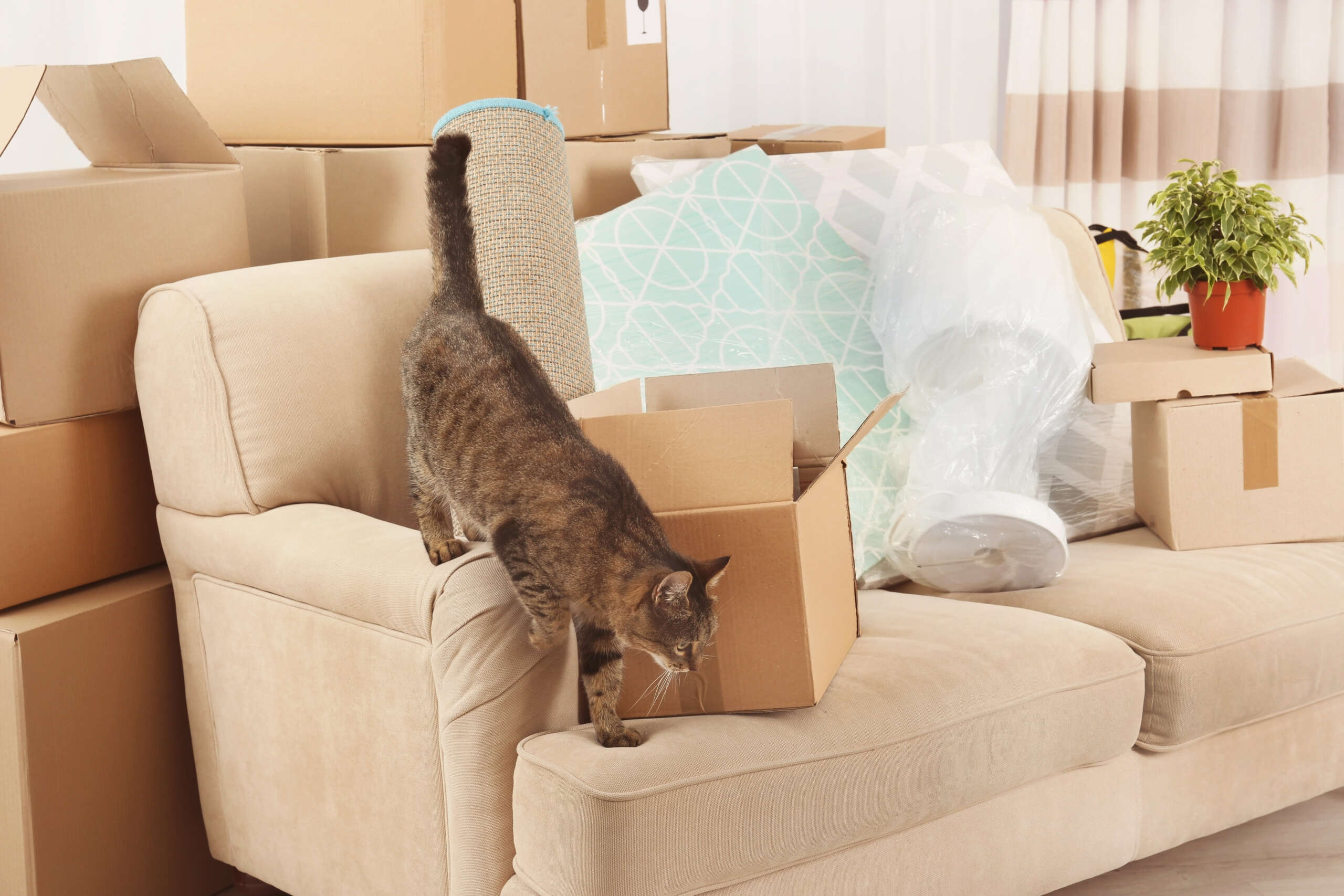
Loud trucks, unfamiliar people, open doors, and a house suddenly turned upside down can create the perfect moment for a dog or cat to slip away. That risk can be even higher during the summer, when moving season, travel, outdoor events, and fireworks all collide.
FidoAlert, a pet alert network that notifies nearby community members when a dog or cat goes missing, says that preparation before and after a move can make a big difference. While microchips help identify a pet once they are found, FidoAlert is designed to activate the community quickly and get people looking right away.
We asked Kate DeLuca from FidoAlert why moving day can be so risky for pets, what owners should do before settling into a new home, and how fast action can help bring a missing pet home.
Why is moving day such a high-risk moment for pets going missing? What are the biggest triggers pet owners often underestimate?
Moving day can create a perfect storm of conditions that could cause a pet to escape. A few of the triggers people underestimate include:
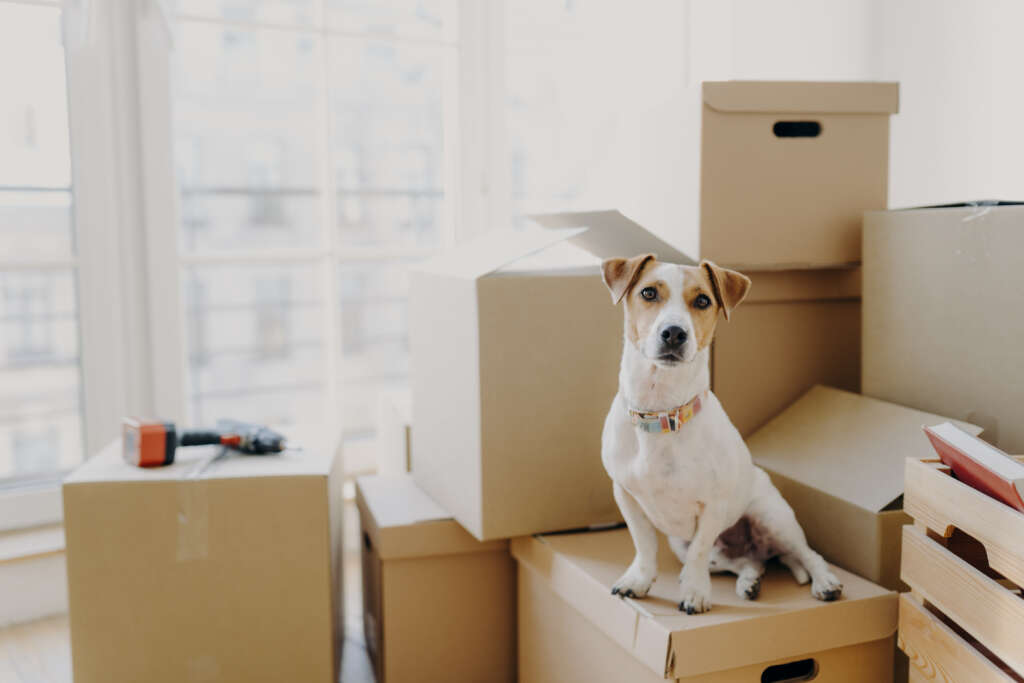
• Propped-open doors. Movers and family members going in and out all day means the front door, back door, and garage are left open (and sometimes unattended). It takes only a few seconds for a startled or curious pet to bolt.
• Sensory overload. Loud trucks, strangers in the house, and furniture being rearranged can disrupt comfort levels and activate a pet’s flight instinct.
• Divided attention. On moving day, every family member is focused on filling boxes and packing up the car. If no one is focused on watching the pet, they can slip away unnoticed.
What should pet owners do in the days before a move to reduce the risk of a dog or cat escaping?
Preparation before moving day can make a world of difference. We recommend doing the following:
• Register with FidoAlert. This helps ensure people in your new community will get a real-time alert if your pet goes missing the moment something goes wrong. This is especially helpful when moving to a new place where you might not know as many people, because FidoAlert’s network travels with you.
• Update ID tags and microchip registration. Make sure your new address is in the system. According to a study by the American Veterinary Medical Association, microchipped dogs are returned 52% of the time, even if found hundreds of miles from home—but only if the registration is current. We like to think of microchips and FidoAlert as partners that work in tandem: microchips identify your pet after they’re found; FidoAlert activates your community to start looking in the first place. Both matter, and neither replaces the other.
• Designate a “pet safe room.” Pick one quiet room in your home, close it off on moving day, and keep your pet there with food, water, a familiar blanket, and a note on the door.
• Pack your pet’s items last. Their bed, toys, and food bowl should be the last things loaded. Familiar scents are calming and will help with the transition into your new home.
Once a family arrives in a new home or neighborhood, what are the first steps they should take to help their pet adjust safely?
The first few hours and days in a new home can be disorienting for our pets. They don’t yet recognize this space as home, and their instinct is to search for what they knew. A few easy steps can close that window of risk:
• Immediately upon arrival, do a full perimeter inspection to check gate latches and look for (and close) gaps under fences.
• Inside, just like before the move, confine your pet to a single, quiet room while the chaos of unpacking unfolds and doors are left open and unattended. Let them decompress before exploring.
• Introduce the yard on-leash first. Even if it’s fenced, walk your dog around the new outdoor space before letting them off-leash.
• Meet your immediate neighbors. Tell them you just moved in, that you have a dog or cat, and share a quick description and/or photo.
If a pet does go missing during or after a move, what should owners do in the first 30 minutes?
The first few minutes after you realize your pet is missing are the most critical. It’s important to act fast and run through these items:
• Trigger an alert on FidoAlert so your community network is on the lookout.
• Search the immediate perimeter of the home first, checking under porches, behind appliances, and inside closets.
• Post to your neighborhood’s social media and apps, and include a recent photo of your pet.
• Call local shelters and animal control.
• Leave a familiar-scented item outside the door. A worn T-shirt, their bed, or a food bowl can help a disoriented pet find their way back.
What trends are you seeing this summer when it comes to lost pets, moving season, and pet-friendly relocation cities like Raleigh, Savannah, Knoxville, Tulsa, and Austin?
July is the most dangerous month nationwide for pets, with 40% of total annual lost pet events occurring in July. In these cities, we’ve seen 50% more user signups in summer months vs. the rest of the year. A big part of that is 4th of July fireworks and summer travel, but moving and more outdoor events also play a big role. Nationwide, the average number of lost alerts during summer months was 37% higher than the yearly average.
If a pet does go missing during or after a move, what should owners do in the first 30 minutes?
The first few minutes after you realize your pet is missing are the most critical. It’s important to act fast and run through these items:
• Trigger an alert on FidoAlert so your community network is on the lookout.
• Search the immediate perimeter of the home first, checking under porches, behind appliances, and inside closets.
• Post to your neighborhood’s social media and apps, and include a recent photo of your pet.
• Call local shelters and animal control.
• Leave a familiar-scented item outside the door. A worn T-shirt, their bed, or a food bowl can help a disoriented pet find their way back.
What trends are you seeing this summer when it comes to lost pets, moving season, and pet-friendly relocation cities like Raleigh, Savannah, Knoxville, Tulsa, and Austin?
July is the most dangerous month nationwide for pets, with 40% of total annual lost pet events occurring in July. In these cities, we’ve seen 50% more user signups in summer months vs. the rest of the year. A big part of that is 4th of July fireworks and summer travel, but moving and more outdoor events also play a big role. Nationwide, the average number of lost alerts during summer months was 37% higher than the yearly average.
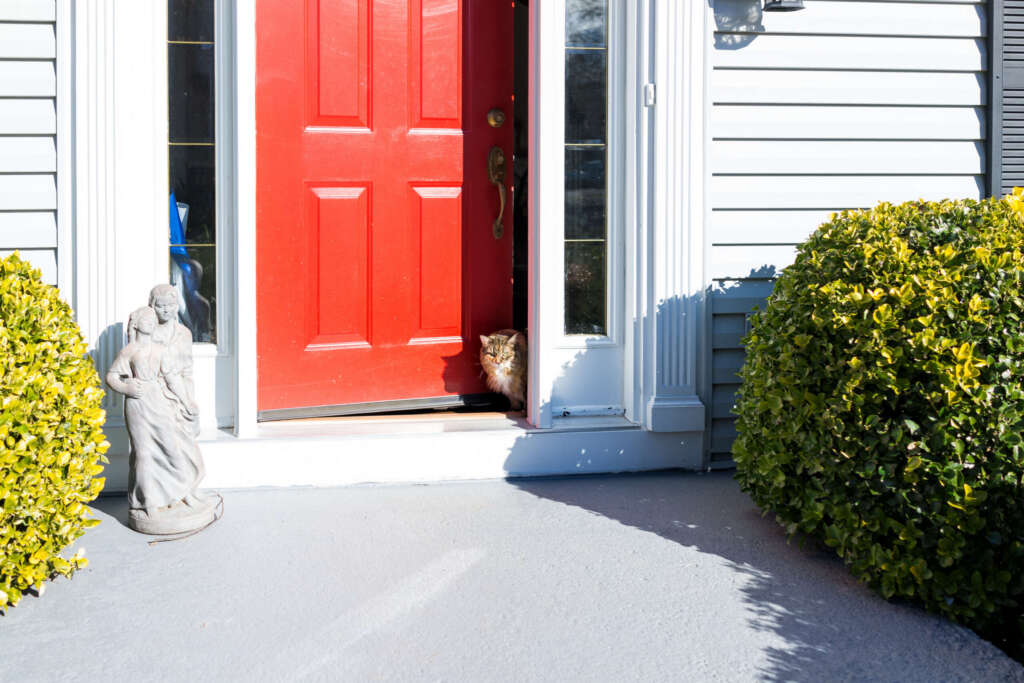
Why does the summer moving season create a higher risk for pets going missing, especially in fast-growing, pet-friendly cities like Raleigh?
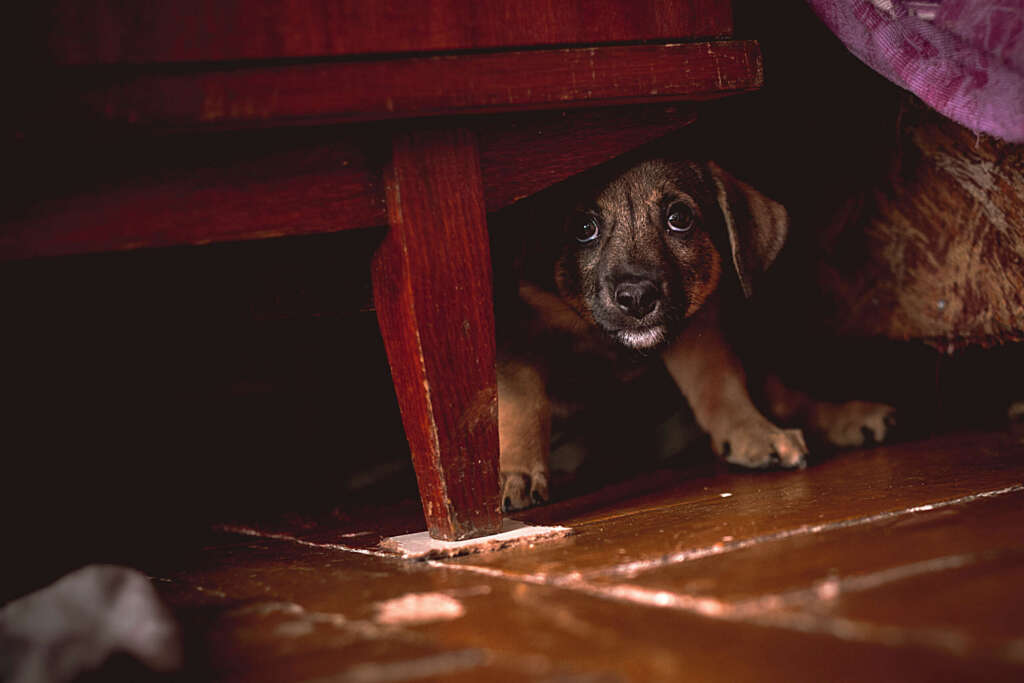
Summer is peak moving season in the US, and it’s also a time when pets tend to go missing. Nearly 60% of all annual moves happen between May and August, and data shows that 45% of lost dog cases and 40% of lost cat cases occur during the summer months. There are a few factors at play: New homes mean unfamiliar surroundings, unsecured yards, and propped-open doors during the moving process. Pets that are already stressed by the disruption of a move are more likely to bolt or wander, and less likely to find their way back to a place they don’t yet recognize as home.
Raleigh jumped from 20th to 3rd on PODS’ national move-in rankings and ranked #17 on WalletHub’s Most Pet-Friendly Cities list. This area is seeing a high concentration of pet-owning and relocating households, which means more pets in transition and more opportunities for something to go wrong.