

Skip to content Skip to sidebar Skip to footer

Strategic steps to stretch your pantry and your dollar

By Grace Barker

Finding a checkout total under $100 feels like a rare victory these days. As prices continue to climb, the challenge isn’t just what we buy, but how we manage it once it hits our kitchen. Fortunately, having a plan and knowing a few tricks to maximize your food’s freshness can make all the difference when it comes to maximizing your monthly grocery budget.

Plan with purpose

By setting aside less than an hour a week to research and organize, you can strategically fill your cart with items that are better for both your budget and your health. This doesn’t require elaborate daily cooking; rather, it’s about being clear on what you need and when you’ll use it.

During the planning process, look at your schedule and determine when you’ll need meals. Do you have a work lunch? Are you taking dinner to a friend who just gave birth? Will you be traveling and need some extra snacks? Are your days full and prepping ahead of time could be helpful? A little forethought ensures you aren’t buying for a life you don’t have time to cook for that week.

Now that you know your needs and the time you have to cook, you can make more informed decisions about your meals for the week. Whether you need to prepare at the beginning of the week or make a double batch of something, having a plan is going to greatly reduce your stress around mealtime. Whatever you decide, you’ve already set yourself up better by having a plan for the week ahead.

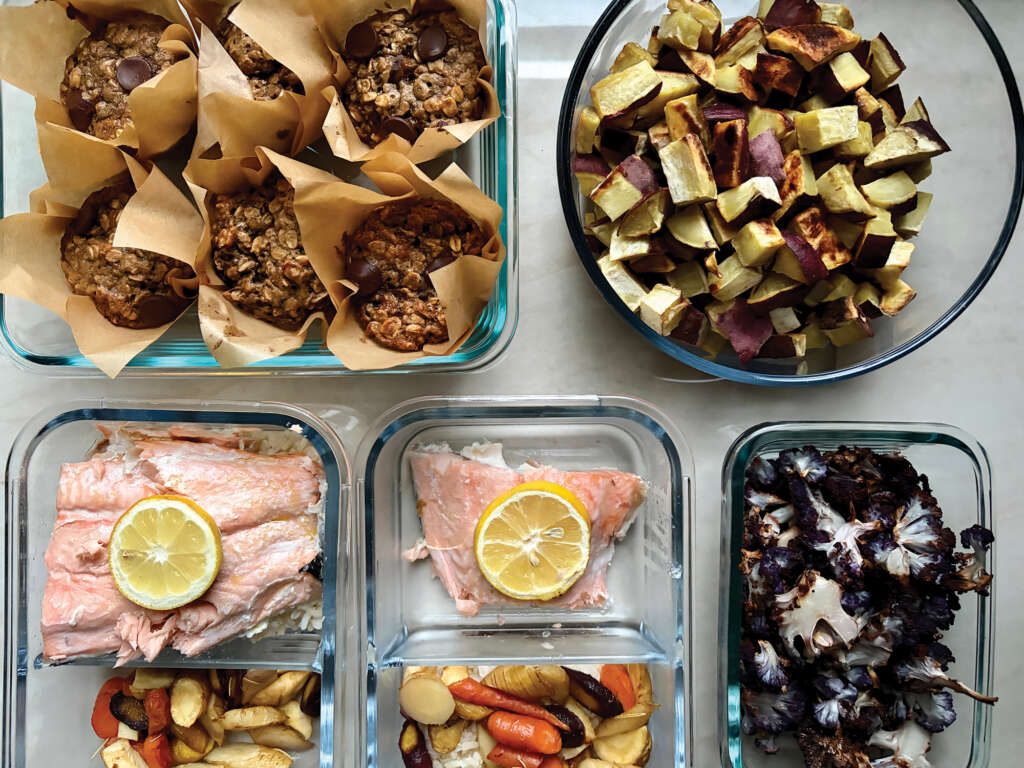
By planning your meals in advance, you can shop in bulk and meal prep for the week. This ensures fresh produce doesn’t waste away in your fridge and prevents you from buying too much at the store.
Shop your pantry

With a plan in mind, making a grocery list with everything you need, including spices, is an important step.

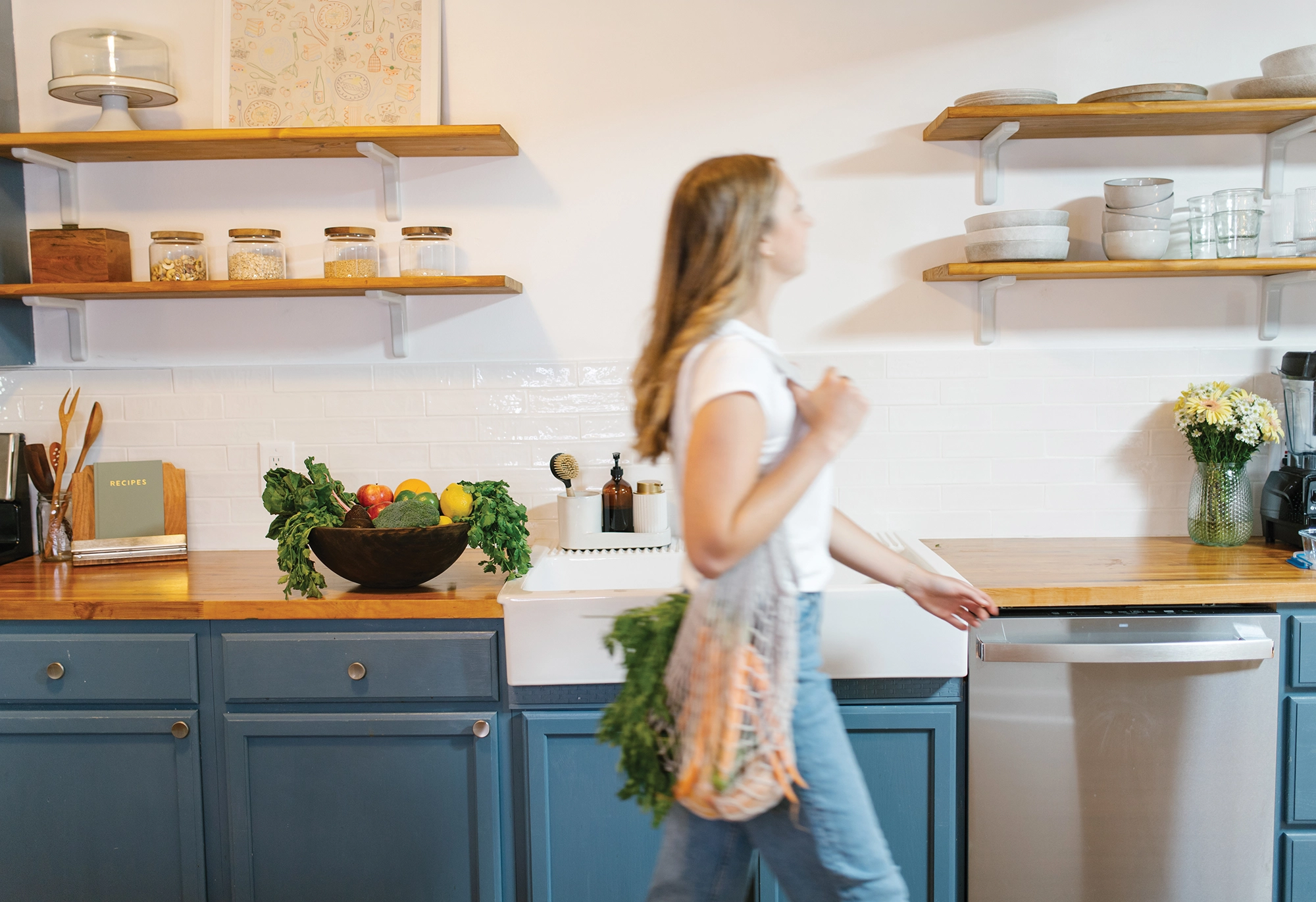
Before heading to the store, treat your own kitchen like a boutique. Use your grocery list to “shop” your pantry and freezer first—you might be surprised by the number of ingredients you already have on hand.

This simple inventory check is the fastest way to minimize food waste and cut down on unnecessary costs before you even leave the house.

Stick to the perimeter

Many of the foods that contribute to added grocery costs are packaged convenience foods. While convenience is tempting, the price per serving for packaged goods like chips and crackers is significantly higher than fresh alternatives.

By primarily sticking to the outer aisles of the store—where fresh fruits, vegetables, and proteins are located—you can prioritize nutrient-dense, satisfying ingredients that provide more “bang for your buck.”

The power of bulk

Shelf-stable foods such as bone broth, beans, rice, and minimal ingredient sauces are a budget-friendly way to add more nutrients, flavor, and density to your dishes. Frozen fruits and vegetables are another great option packed with benefits, and are traditionally less expensive than their fresh counterparts.

Purchasing these items in bulk is a great way to save money without wasting food, since they last a long time. When shelf-stable items go on sale, it’s the perfect time to refill your pantry staples. Your future self will thank you!

The bottom line

Planning, preparing, and proper storage are the key ingredients for a successful monthly budget. From planning your meals and shopping your pantry to prioritizing whole foods and purchasing in bulk, you’ve set yourself up for success when it comes to smart grocery shopping. Keeping your groceries fresh for longer is the next best way to ensure you make the most of your grocery budget. With these tools in your kit, you’re well on your way to saving money while fueling your body with quality ingredients.

The Freshness Cheat Sheet

Making your groceries last is the ultimate budget hack. Try these four tricks to extend the life of your haul:

• The Freezer Save: If meat
is nearing its expiration date,
move it in the freezer to extend its life. Thaw it in a bowl of cold water kept in the fridge for 12–24 hours before cooking.

• The Herb Bouquet: Store herbs in a glass container of water in the fridge, covered loosely with a plastic or silicone bag.

• Don’t Waste the Base: Freeze opened and unused pantry staples like bone broth or coconut milk in airtight glass containers. Label and place them in the freezer. Thaw before using in your next dish.

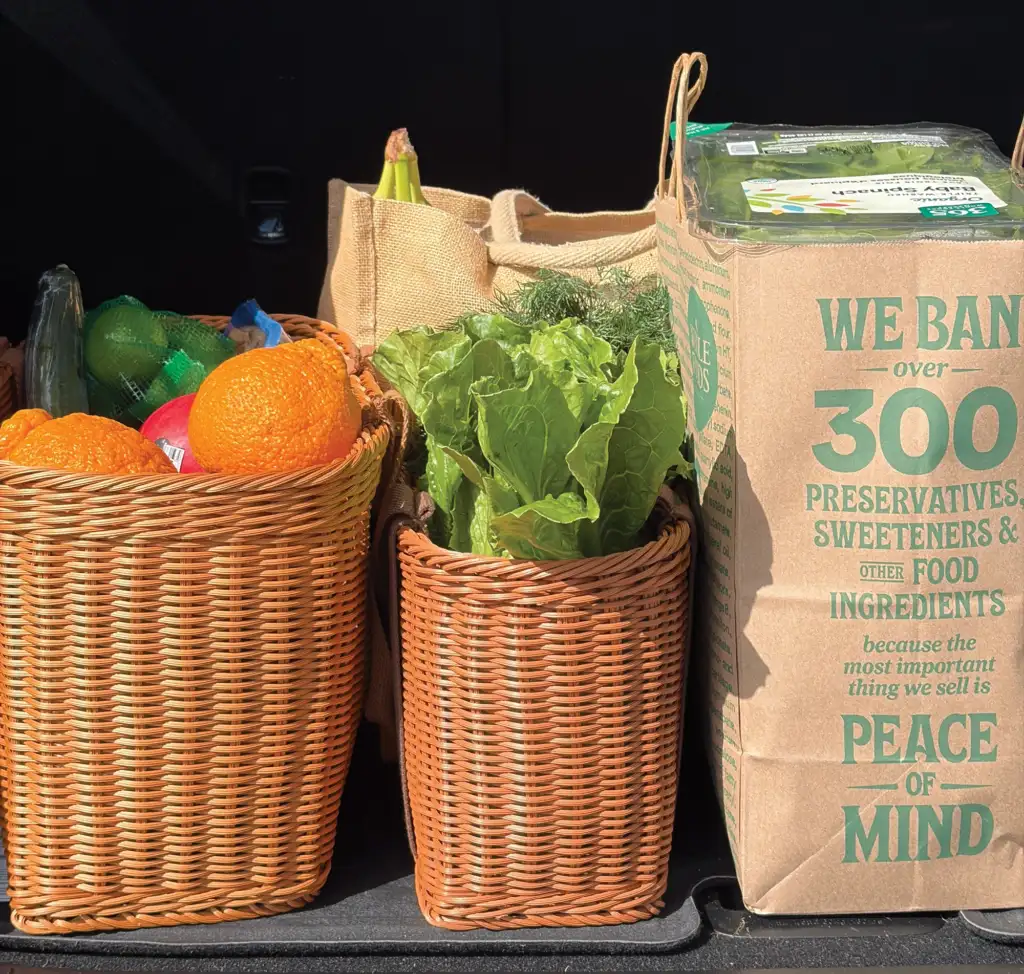
• Dry Your Greens: Place a paper towel or dishcloth inside containers of spinach or mixed greens to absorb moisture and prevent wilting.

Be sure to subscribe to our weekly newsletter!

© 2008-2025 5 West magazine, LLC. All rights reserved. Copyright applies to all pages on this website. | Privacy Policy

Subscribe to
our Magazines

Subscribe to
our Newsletter