

By Matthew Weiss, host of the Wine Centric Show
I know somebody has been in your ear. A friend or a trusted local wine retailer nudging you away from that New Zealand sauvignon blanc or that big Napa cabernet you have been reaching for all winter. Mine came from a sommelier in the Blue Ridge Mountains and a wife who does not impress easily. I want to coin a phrase: wine-spiration.
It happens when a wine experience shakes you loose from routine, reminds you why wine matters, and sends you racing toward what comes next. That is exactly what found me in early March.
I was feeling palate fatigue. My rotation had been heavy on white Burgundy, California chardonnay, and big Washington State reds.
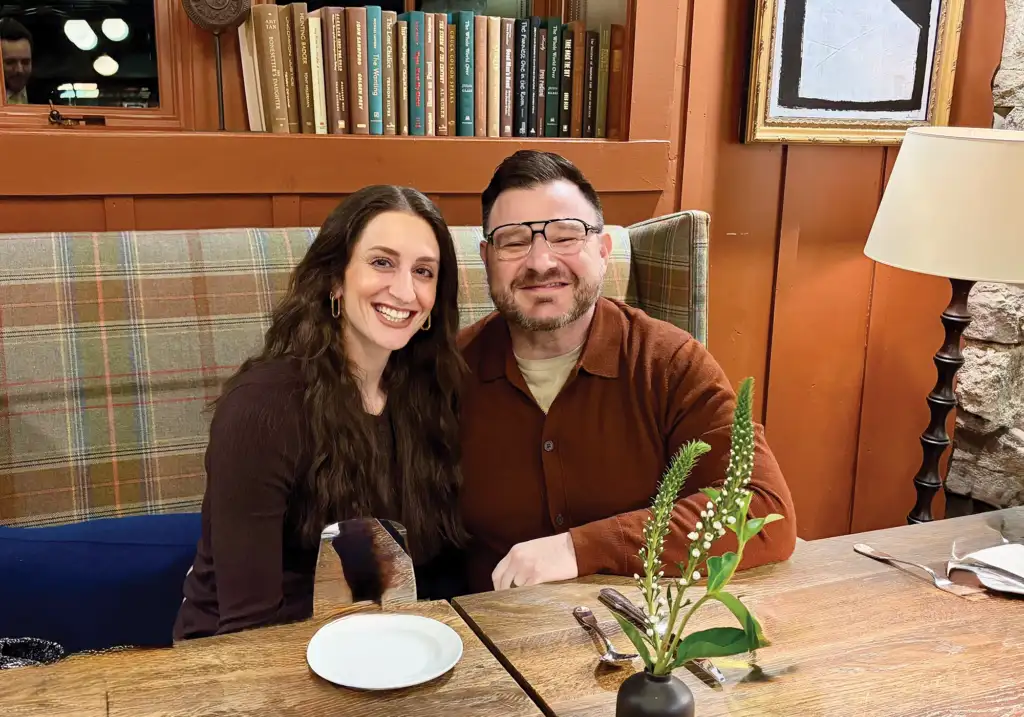
Wines I love, but my palate was ready for something new. My wife’s birthday provided the perfect excuse: a few days at High Hampton in Cashiers, tucked into the Blue Ridge Mountains in North Carolina near the Georgia border.
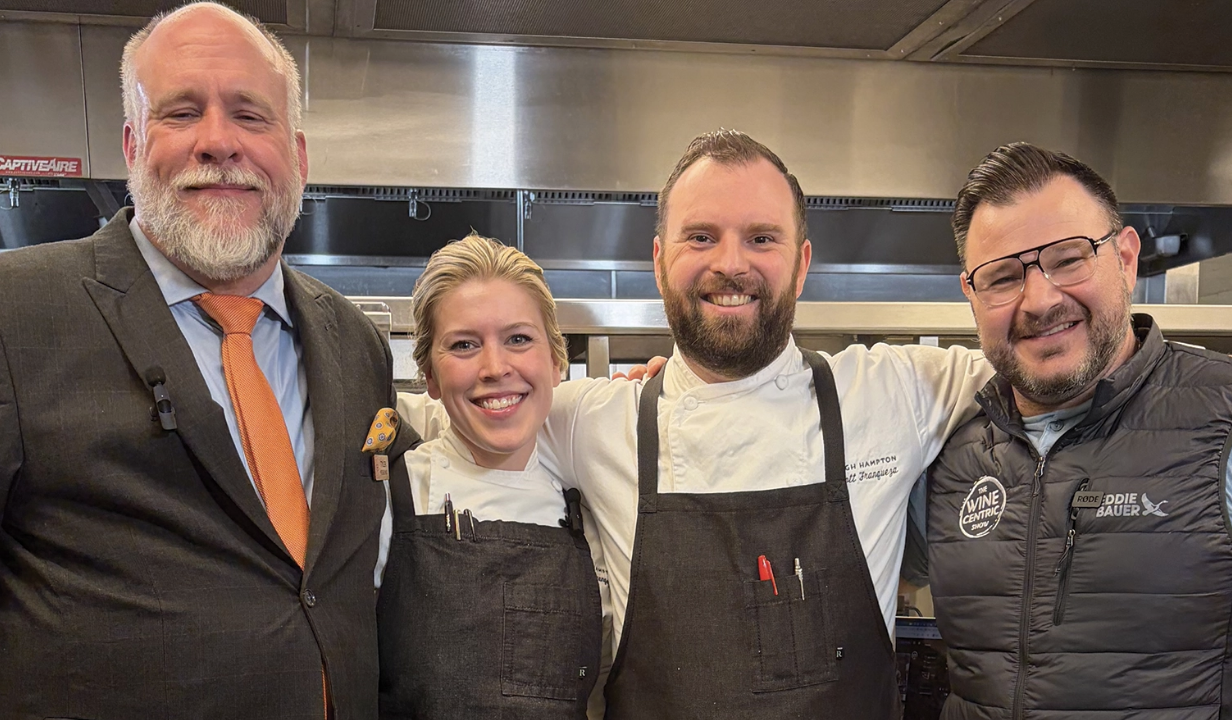
What awaited us was a culinary experience at the hands of chefs April and Scott Franqueza and their sommelier Tyler Wesslund that reset my palate entirely. Over three nights, Wesslund put wines in front of us that were intentional choices rather than safe ones.
They reminded me of what I tell listeners of The Wine Centric Show: The best wine experiences are not about the label; they are about harmony—when the wine, setting, and dish all speak the same language.
I am always looking for that sweet spot where the natural sugars of ripe fruit and the tartness of acidity meet in perfect tension. Neither dominating. Both alive.
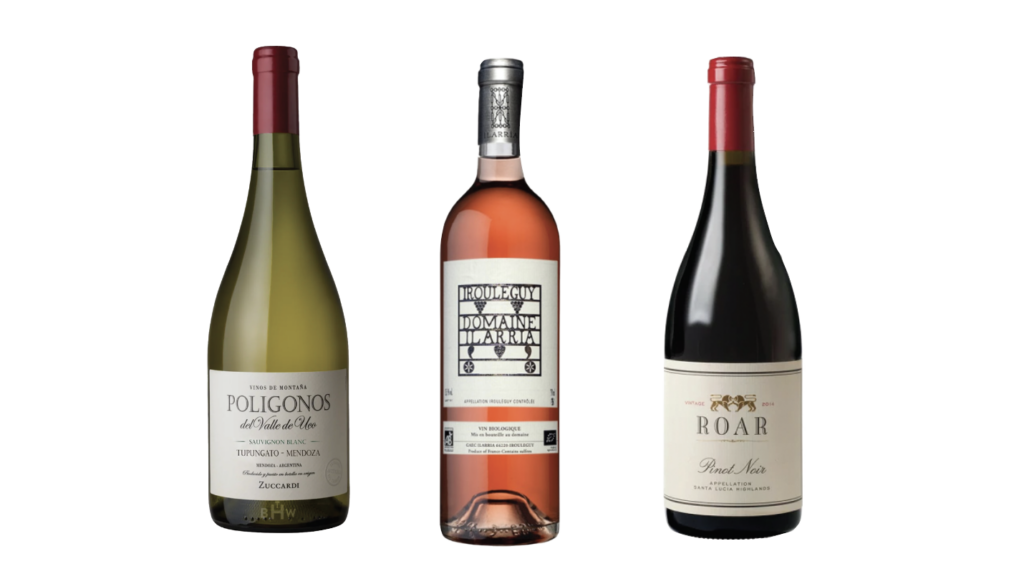
These three bottles work, and I’ll tell you why. I didn’t choose them.
Something about being a guest in someone else’s culinary world made me want to let go. I handed the reins to Wesslund entirely, trusting his expertise. Sometimes the best thing a wine lover can do is get out of their own way.
Here is the trip he took us on.
THE WHITE
Zuccardi Polígonos Tupungato Sémillon 2022
Valle de Uco, Mendoza, Argentina
Minerally and steely on the nose, with hints of fresh cream and white blossoms. On the palate is apricot and unripe peach or peach skin, with a texture that satisfies from front to back, and a bright saline acidity through the finish.
The fruit is almost a supporting character. That is the beauty of it. Springtime in a glass. Wesslund poured a Forlörn Hope Nacré Sémillon during one of our dinners—crisp, minerally, and texturally mesmerizing. It sent me straight home to grab a bottle of the Zuccardi Polígonos Tupungato Sémillon. Sémillon is a sleeper grape.
This wine comes from a high-altitude (roughly 3,900 feet) pocket of Valle de Uco in Argentina’s Mendoza region, where cold nights lock in natural acidity. It’s made with native yeasts rather than commercially produced ones, and without malolactic fermentation—a process that would soften its acidity into something rounder. Both choices preserve what makes this wine special: its bright, vibrant edge.
THE ROSE
Domaine Ilarria Irouleguy Rosé 2024
French Basque Country
Red currant, pomegranate, and rose petal on the nose. Sappy and deep on the palate, with a mineral, almost salty finish. This is not a delicate Provençal rosé.
It has something profound to say. Wesslund paired this with a beef tartare. My wife, who is genuinely difficult to impress, looked up from her glass and simply said, “Wow.” That is the review. Everything else is context. The Ilarria Rosé is a blend of 70 percent Tannat and 30 percent Cabernet Franc from the Irouleguy appellation in the French Basque Country, grown at the foot of the Pyrenees.
It is darker than most rosés you will reach for in spring—a vivid pink garnet, with the structure and seriousness to match. In some ways it felt like being transported from the Blue Ridge Mountains to the Pyrenees with a single sip. For North Carolina readers, Tannat and Cabernet Franc are varieties finding a real home in our wine country. This wine felt local and faraway at once.
THE RED
Roar Santa Lucia Highlands Pinot Noir 2023
Santa Lucia Highlands, California
Aromas of vanilla, leather, and wild chaparral give way to blackberry, a whisper of olive, and black licorice. The finish is long and creamy, with cherry and cinnamon before bright acidity snaps everything back into focus.
This is a cabernet lover’s pinot noir. The Santa Lucia Highlands sit along California’s Central Coast, where daily winds off the Monterey Bay slow ripen and build what winemakers call phenolic development. This is the complexity that comes from
the grape’s skin and stems having more time to mature.
The result: wines big enough for cabernet drinkers but fresh enough for spring. At nearly 15% alcohol, it has the substance of a cool-weather red but the balance to carry you through an entire spring evening. Fire up the grill or smoker. Put chicken, pork, or beef over the heat and open this bottle. This is the red that bridges the season.
These three wines did not just refresh my palate. They gave me a map for the season. I hope one of these bottles hits that same harmonic note for you.