
Skip to content Skip to sidebar Skip to footer

The Drink Less, Drink Better Era

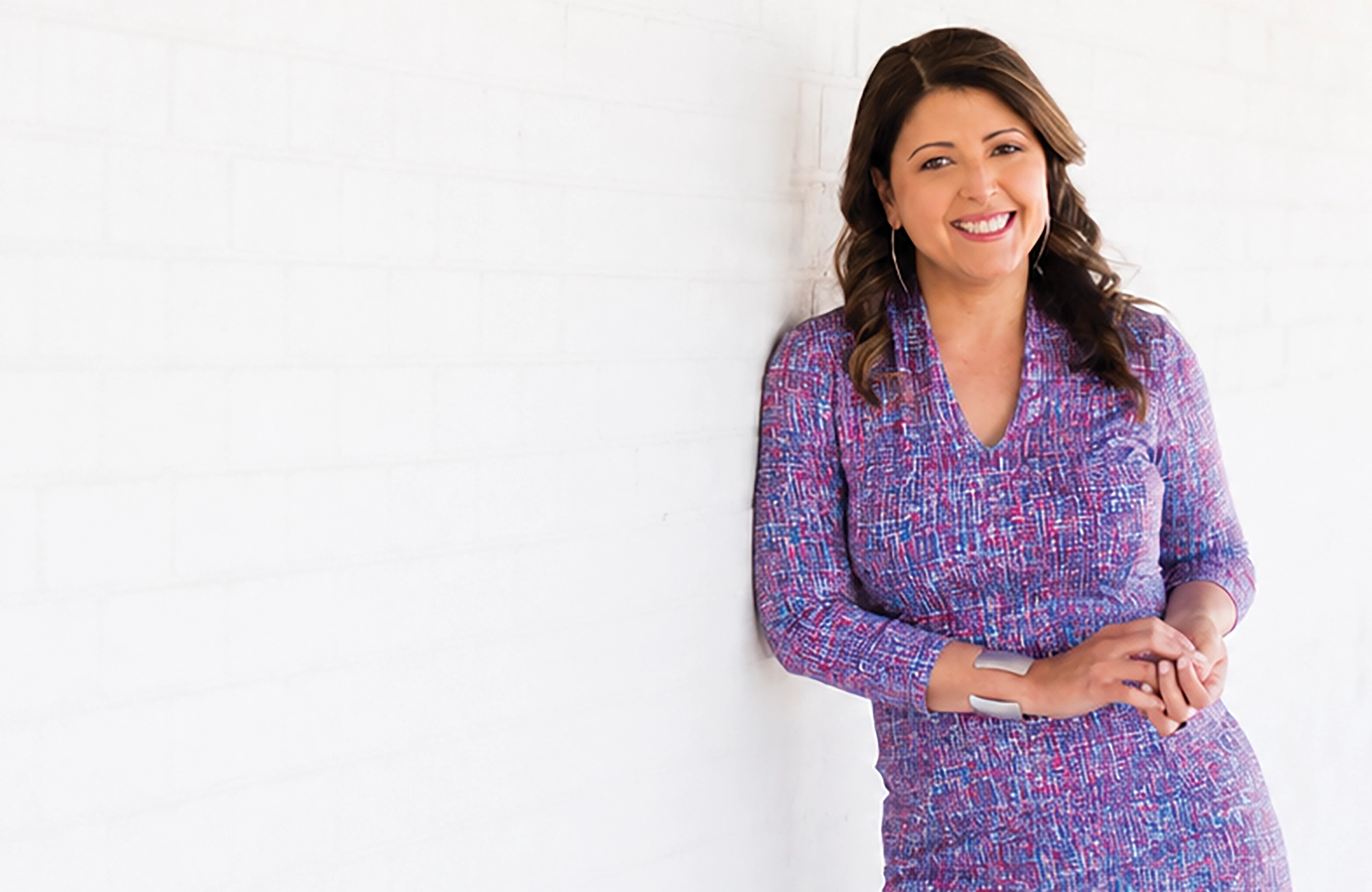
Doreen Colondres Vitis House Raleigh.

By Taylor Bowler

Puerto Rico native Doreen Colondres has built a career around making food and wine feel approachable, joyful, and deeply connected to culture.

As a celebrity chef, speaker, wine educator, and founder of Vitis House in Raleigh, she’s become a leading voice in conversations around mindful drinking and savoring quality over quantity.

We caught up with Colondres to talk about the rise of the “drink less, drink better” movement—and why people are rethinking what’s in their glass.

How has the rise of wellness culture affected the wine industry?

People are drinking less, but drinking better. Consumers are asking smarter questions about farming, alcohol levels, ingredients, sustainability, and quality. Wine is becoming less about quantity and more about intention—and that’s actually very aligned with traditional wine culture in places like Spain, Italy, or France, where wine has always been part of the table, not the goal of the night.

With so many younger drinkers embracing moderation and lower-ABV wines, what makes wine feel “worth it” now?

If I’m opening a bottle today, I want it to teach me something, transport me somewhere, or elevate a meal and a moment. Younger consumers are more curious than ever—they want authenticity and value. A wine becomes “worth it” when it creates a memory, not just a buzz. 

Thankfully, wine is becoming more cultural and less intimidating. You see it everywhere now, from shows like Drops of God to pop artists like Taylor Swift and Rosalía casually referencing wine in music. Wine is shifting from a symbol of status to something more personal, social, and experience-driven. We see that shift firsthand in our certifications at Vitis House, where more younger students are joining because they want to learn, connect, and understand what’s in the glass—not just drink it.

What’s the difference between drinking for consumption and drinking for connection?

Consumption is drinking to drink. Connection is slowing down enough to experience what’s in the glass, the food on the table, and the people around you. Wine was never meant to be rushed. In many European cultures, wine is part of the meal, the conversation, the laughter, and the moment—not the main event. Quality matters, but so does balance. Enjoying wine should never mean drinking to the point where you don’t remember the experience. The beauty of wine is how it elevates a meal, brings people together, and creates memories.
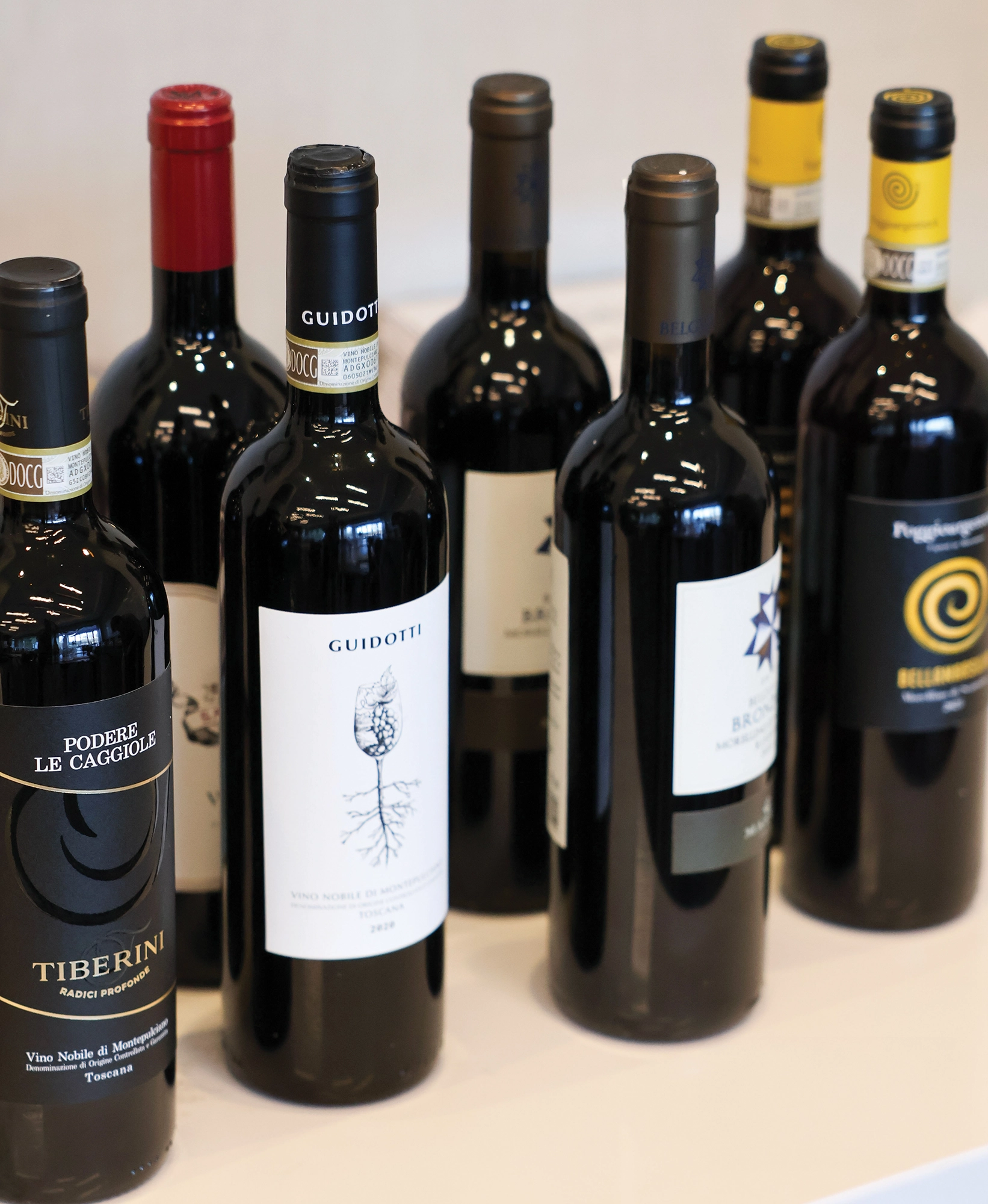

 What’s a bottle under $30 that delivers every time?

When it comes to bubbles that are not so trendy, a great D.O. Cava de guarda superior reserva. Whites I will pour a Lugana DOC (Turbiana grape) from Italy or an albariño from D.O. Rias Baixas—especially from smaller producers. People underestimate how serious and food-friendly these wines can be. I’d also say a beautifully made tempranillo crianza or bolder blends from the Douro Valley or Alentejo in Portugal often punches way above its price point. For those who follow the trend of sauvignon blanc, always from the Loire Valley.

What should people look for in a lower-ABV wine that signals quality?

Balance. Lower alcohol alone doesn’t automatically mean quality. Look for freshness, acidity, texture, and a wine that still feels complete and expressive. Cool-climate regions, mountain vineyards, coastal influence, and thoughtful farming often produce naturally balanced wines with lower alcohol and more energy in the glass. So north of Spain, Italy, France, Germany, Austria, just to mention a few.

How do you host a wine-forward gathering that centers on quality sips, not intoxication?

Make wine part of the experience, not the entertainment. Serve smaller pours, pair wines thoughtfully with food that is good enough not to be ignored, serve water constantly, have beautiful nonalcoholic options, and create conversation around what people are tasting.

A wine flight with great snacks and stories always wins over oversized pours. I personally can’t have wine without food.

Do you think the future of wine culture is becoming more casual?

Yes—but in the best way. Wine is becoming less intimidating and more inclusive. People want knowledge without the snobbery.

You can care deeply about wine without memorizing every village in Burgundy. The future belongs to a more curious, welcoming wine culture—one rooted in experience, connection, and storytelling.

That’s also why traveling to wine regions has become so popular. People don’t just want to drink the wine anymore; they want to understand the place, meet the producers, experience the food, and connect with the culture behind the bottle.

What wine trends feels very “2019” to you now?

Drinking wine just because it’s expensive. Consumers today are much more savvy. They care less about impressing people and more about authenticity, farming, sustainability, story, and whether the wine genuinely tastes good to them. 

© 2008-2025 5 West magazine, LLC. All rights reserved. Copyright applies to all pages on this website. | Privacy Policy

Subscribe to
our Magazines

Subscribe to
our Newsletter