

Sommelier Spring Rosé Selections
By Matt Weiss
Let’s suspend our preconceived notions about wine for a moment.
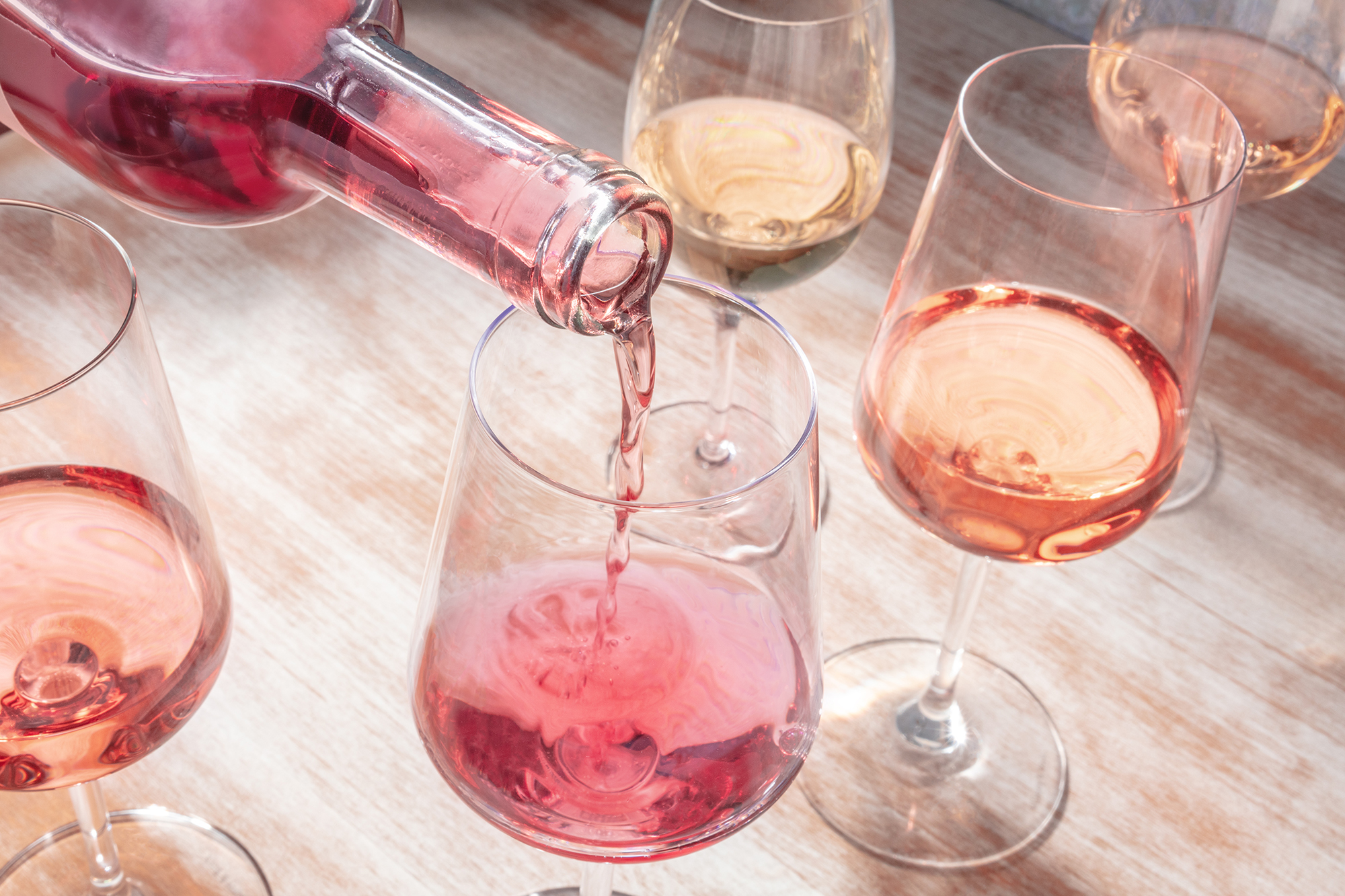
After more than 20 years in the wine industry, one of the most satisfying experiences for me is coming home at the end of a long day—whether it was spent working, chasing points on a pickleball court, or grinding through a session at the local CrossFit gym. The evening is warm. The sun is low. There’s a simple charcuterie board on the table. And in my glass is something cold, crisp, refreshing, and pink.
Yes, pink.
It quenches my thirst with bright, mouthwatering acidity. Direct and refreshing, yet layered in a way that holds your attention.
Even so, after all these years, I still hear the same hesitation whenever the bottle happens to be pink.
“I’ll skip the rosé. I don’t like sweet wine.”
Somewhere along the way, especially in the United States, pink became shorthand for sugary, simple, and unserious. A wine for people who do not really like wine. But that assumption is wrong.
In fact, rosé is one of the oldest wine styles in history.
In ancient Greece and Rome, most wine looked more like today’s rosé than modern red wine. Early winemakers practiced field blends, fermenting red and white grapes together, often diluting the wine with water. At the time, wine was safer to drink than untreated water, so it became a daily staple. As winemaking spread through Marseille into southern France, pale, refreshing wines became part of Provence’s identity—a tradition that continues today.
Modern rosé is made primarily from red grapes.

The difference lies in skin contact. Grape skins provide nearly all of a wine’s color, tannin, and structure. When making red wine, the juice remains in contact with the skins for days or weeks. For rosé, that contact may last only a few hours. The result is lighter color, softer texture, and brighter freshness.
Without heavy tannins, rosé does not require years to soften. It is meant to be enjoyed young, vibrant, and refreshing. As the French say, it is vin de soif, a wine for thirst. In other words, highly drinkable.
In the United States, pink wine’s reputation was shaped by white zinfandel. Partially fermented and sweetened, it helped introduce many Americans to wine. Sweet felt approachable. Sweet felt safe. And for decades, pink became synonymous with sugar. That association still lingers.
Today, one of the most common misconceptions I hear at tastings is that rosé equals sweetness. But color has nothing to do with sugar. Many popular red wines contain more residual sugar than most dry rosés. Pink does not mean sweet. It means intentional. Rosé is now made all over the world, from countless grape varieties and in countless styles.
The following three bottles capture the balance I look for most: freshness, precision, and the kind of drinkability that makes you reach for another glass or two without thinking about it.
Rosé is not a trend. It is not a compromise. And it is certainly not sweet by default. It is a historic, intentional, and versatile wine style that belongs on your table year-round. So next time you see pink in your glass, do not assume. Taste first. You may just discover your new favorite serious wine.
1. Bodegas Santa Julia Chimango Rosé, Mendoza, Argentina
100% Malbec
A natural wine made with no added yeast, no fining, and no filtering. Juicy and crunchy, with a signature salted watermelon note and bright energy, all without sweetness.
2. Triennes IGP Méditerranée Rosé, Provence, France
Cinsault, Grenache, Syrah, Merlot
Created by Burgundy legends Jacques Seysses and Aubert de Villaine, this is classic Provençal rosé. Pale, dry, and refined, with wild strawberry, citrus, subtle spice, and a clean mineral finish.
3. The Vice Rosé of Pinot Noir, Napa Valley, California
Pinot Noir, Carneros
Founded by Moroccan-born Malek Amrani, The Vice Wine reflects modern Napa craftsmanship built on precision and restraint. Bright and focused, with cherry, blood orange, jasmine, and gentle minerality. Minimal intervention and certified vegan.