



By Sonali Sethi, PT, DPT
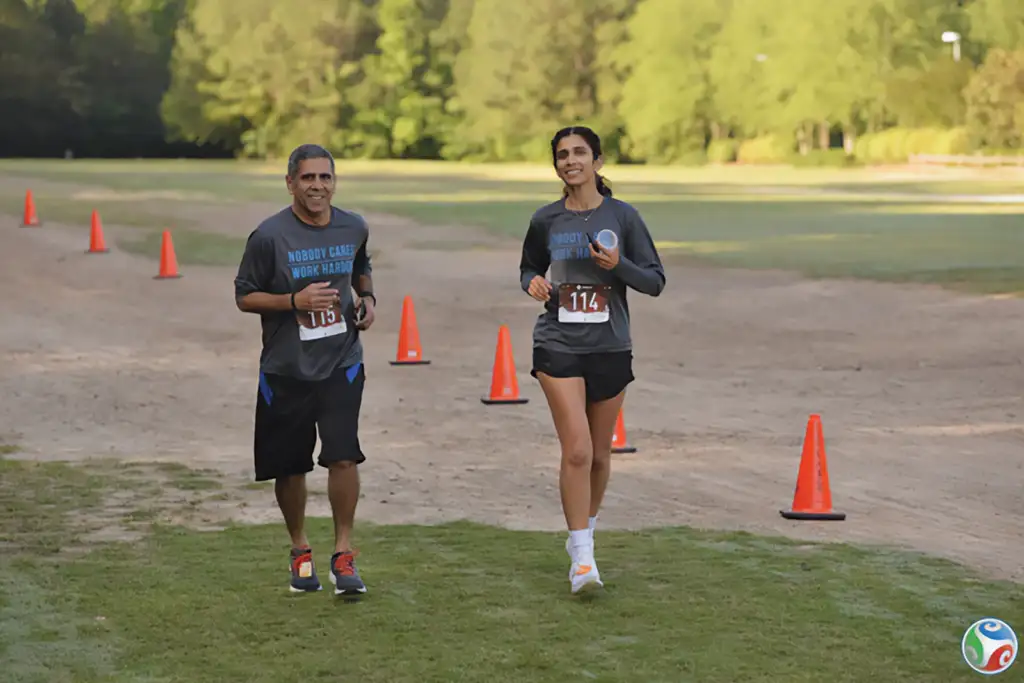
There’s something inspiring about watching someone cross a finish line. Seeing their faces shining with glee—and no doubt some sweat—might have made you want to run a race, too. My dad had a similar itch. But the few times he ran (without any training), he had to stop abruptly due to pain in his knee.
This further fed into his negative thought loop: “I’m just not good at running.” What people often overlook is that crossing the finish line is just one moment. The parts that lead up to it—the training, the injury management, the discipline—that’s what makes a runner.
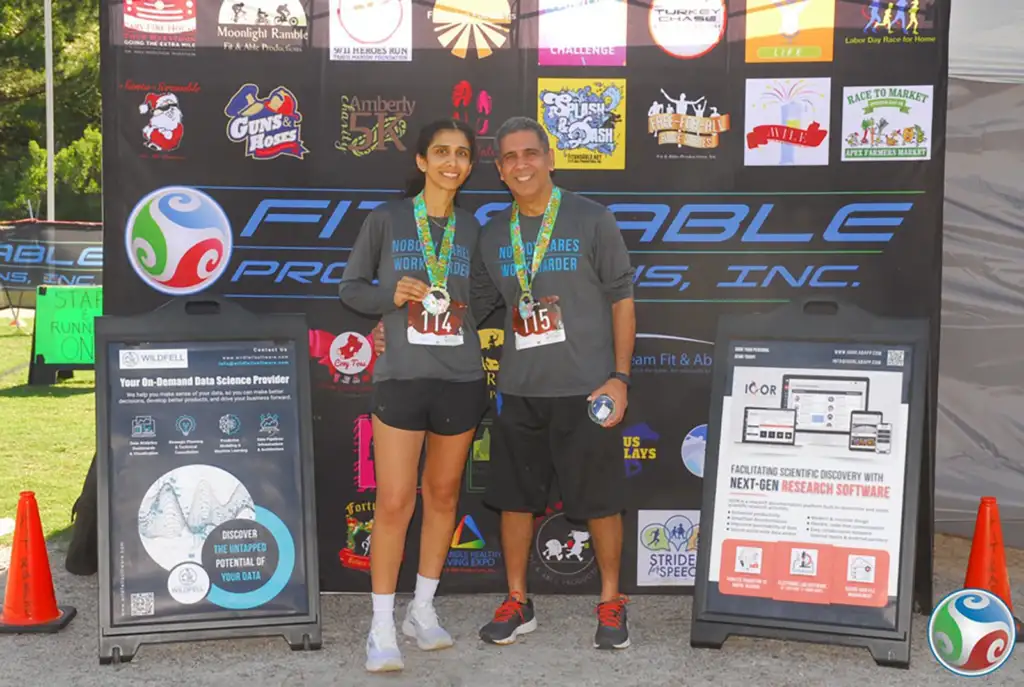
As a physical therapist, I almost always treat runners after they have been injured. However, after training my dad from couch to 5K last May, I witnessed the impact of training, prevention, and pain management in action.
Pro Tip: If you are dealing with an injury or recovering from one, I recommend checking in with a healthcare provider before starting your 5K journey.
A 5K race is often an ideal starting point for novice runners due to its short distance, adaptable training, and high community spirit. Training does not have a one-size-fits-all approach. What works for your body may not work for another, and that’s okay. My goal is to provide overarching strategies that you can modify to work best for you.
More Walking, Less Running (To Start)
Most Couch to 5K programs run about 6–10 weeks. All include some form of interval training: short bursts of running between long bouts of walking. Interval training is designed to give your body time to adjust to running. Many people, like my dad, start off eager and end up overdoing it, which can lead to injury or burnout. When you’re just starting out, it’s completely normal to be out of breath if you try to run more than three minutes. With interval training, you gradually improve your muscle endurance, cardio fitness, and mental toughness so you can keep progressing with confidence.
The goal here is to find a pace that’s comfortable, not exhausting. With each week, you’ll gradually spend a little more time running and less time walking. Here is an example of Week 1 in a Couch to 5K program:
Monday: 5-minute brisk walk followed by 5 rounds of 2-minute walk/30-second run
Tuesday: Rest Wednesday: 5-minute brisk walk followed by 5 rounds of 2-minute walk/30-second run
Thursday: Cross train or rest
Friday: 5-minute brisk walk followed by 6 rounds of 2-minute walk/30-second run
Saturday: Cross train or rest
Sunday: Rest
Pro Tip: Being a slow runner, at least at first, is how you learn to go the distance. Dynamic Warm-Up, Long Stretch Cooldown No matter what level of flexibility you have, a warm-up and cooldown routine while running is essential. Your dynamic warm-up should include a few active movements that take your joints and muscles through their full range of movement. Here are a few examples of dynamic movements.
Perform 6–10 times on each side. 1. Walking rotational lunges 2. Heel walk/toe walk 3. Hamstring scoops 4. Knee hugs to chest 5. Four-way leg swings 6. Walking hip openers
Pro Tip: Move mindfully and with intention, especially in the areas that feel tight. This helps you connect with your body and prepare your muscles, joints, and tendons for running.
Your cooldown should consist of longer-held stretches to help reduce muscle soreness the next day and last between 8–10 minutes. It’s tempting to skip, especially when we’re rushed and ready to move on with our day.
But your cooldown determines how your body recovers. As the mileage builds, so does the stress on your muscles, tendons, and joints. These stretches allow proper recovery and reduce risk of injury. Focus on lower body muscles, such as quads, hamstrings, calves, glutes, and TFL/IT band. Each stretch should be held between 30–90 seconds on each side. If something feels especially tight, complete the stretch once or twice more.
Ache vs Injury
It’s normal to feel sensations in your body throughout your run. The way to distinguish whether the sensation you’re feeling is an ache or an injury is to ask yourself: “Is this pain something I can move through, or is it my body signaling me to stop and make a change?” Aches and muscle soreness are an expected response to a new, challenging activity. They typically ease up as you warm up or fade within one or two days after. Rest days and a proper cooldown can go a long way in helping with muscle recovery.
On the other hand, injury pain is more persistent and gradually worsens as you run. If that happens, take a few extra rest days and focus on recovery: Use an ice pack, increase stretches in the day, or use a foam roller. If the pain still does not ease up, it’s best to pause your running program and consult a medical provider.
Pro Tip: Embrace walking breaks, even on race day! There’s no reward for running nonstop. Cross-training for best results
Cross-training means complementing your running with other forms of exercise, such as weight training, yoga, swimming, or cycling. It can be a great way to add variety to your routine while helping your body meet the demands of running. Over time you’ll notice that your body feels stronger and more pliable, and you can run with more ease.